


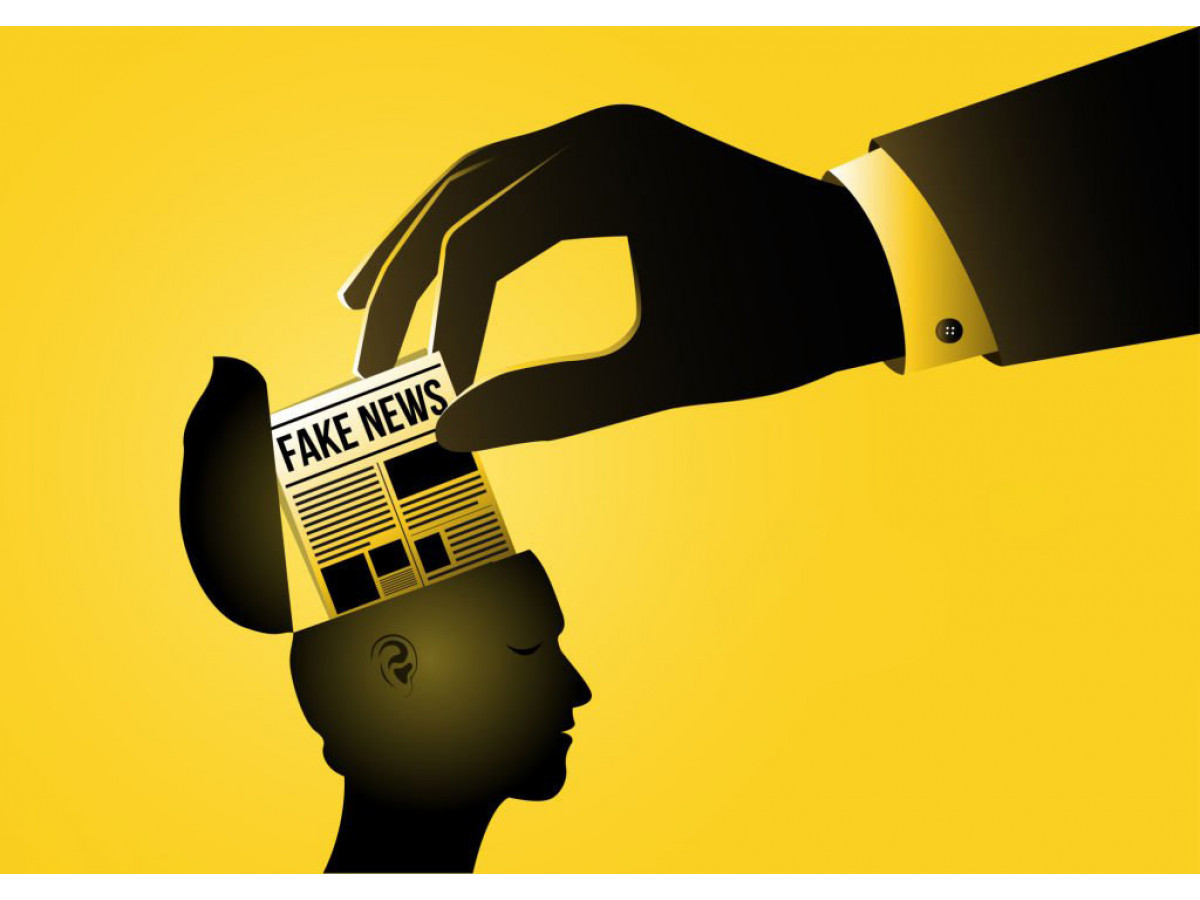
Neural networks and misinformation: how AI is used to deceive
In today's world, where information spreads at the speed of light, it is important to understand how neural networks can be used to create and spread misinformation. Although artificial intelligence (AI) and neural networks bring many useful innovations, they can also be powerful tools for deception.
The role of neural networks in creating fake news
One of the most notable examples of AI being used to create misinformation is the generation of fake news. Neural networks such as GPT-3 can write text that is difficult to distinguish from that written by a human. This makes them the perfect tool for creating plausible but completely fictional news articles.
Real-life example
In 2020, it was discovered that some news sites were using AI to write articles that spread false information about political events and economic trends. These articles were intended to manipulate public opinion and influence elections.
Deepfake: the threat of video and audio manipulation
Deepfake technologies, which use neural networks to create realistic video and audio fakes, are another serious threat. These technologies can make people look and say things they never did or said.
Real-life example
In 2019, a deepfake video was created to demonstrate how easy it is to fake politicians' speeches. The video showed former US President Barack Obama saying things he never said. This caused great concern about the possibility of manipulating voters and destabilizing society.
Social media and bots
Social media has become the primary channel for disseminating information, and neural networks play a key role in creating and managing bots that spread fake news. These bots can generate and disseminate content at incredible speeds, influencing public opinion and creating a false sense of mass support or outrage.
Real-life example
During the 2016 US presidential election, it was discovered that thousands of social media bots powered by artificial intelligence were spreading misinformation and inciting public division. These bots were so effective that some users mistook them for real people and engaged in discussions with them.
Protection against misinformation created by neural networks
Countering misinformation created with the help of AI is difficult, but possible. Necessary measures include:
- User education: Improving media literacy so that people can recognize fakes and not trust unverified sources.
- Development of fake detection technologies: Using AI to recognize fakes and identify disinformation.
- Legal regulation: Introducing legislative initiatives to combat the spread of disinformation and punish those who create and disseminate it.
Neural networks can be both useful tools and serious threats in the hands of those who seek to manipulate information. It is important to remain vigilant and critical of the information we consume, as well as to support the development of technologies and legislation that will help combat disinformation. Only in this way can we protect ourselves and society from the harmful effects of AI-generated fakes.
Write a comment