


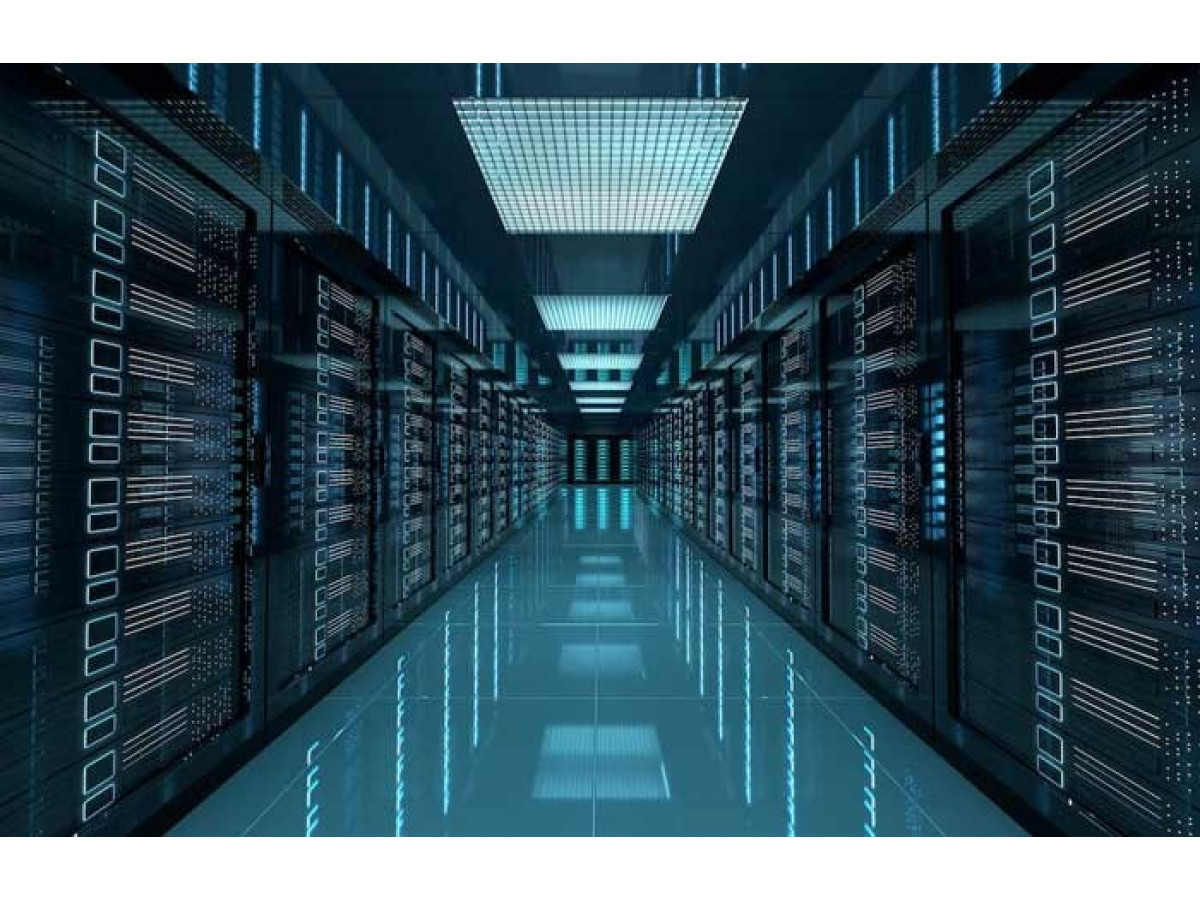
How to choose the right server for small and medium-sized businesses: tips and recommendations
Modern businesses are increasingly focused on digital technologies and information resources, making servers an indispensable part of the infrastructure of many enterprises. However, before purchasing a server for small and medium-sized businesses, it is necessary to carefully consider a number of aspects to ensure optimal performance and efficiency. In this article, we will look at the key aspects of choosing a server and share tips on purchasing a used server with a warranty.
Server types: Rackmount, Tower, and Blade servers
The first step in choosing a server for your business is to determine the type of server. There are several popular options, such as Rackmount (rack-mounted) servers, Tower (floor-standing) servers, and Blade servers. Each has its own advantages and disadvantages.
Rackmount servers
Rackmount servers are compact systems that can be installed in special racks. They are ideal for companies with limited space and allow for optimized resource utilization.
Floor servers
Floor servers, as the name suggests, are placed on the floor and are usually larger systems with expanded capabilities for data storage and connecting peripheral devices.
Blade servers
Blade servers are ultra-compact and allow you to integrate multiple servers into a single rack. They are ideal for high-intensity computing and virtualization.
Choosing an operating system
Choosing the right operating system is key to how your server works. For small and medium-sized businesses, the most common and reliable options are Windows Server 2019 and Windows Server 2019 Essentials. These operating systems offer a high level of security, support for modern technologies, and a wide range of features.
RAM: capacity and business needs
When choosing RAM for a server, you should be guided by the needs of your business. For medium-sized businesses, 16 or 32 GB of RAM is usually sufficient. However, if you plan to use virtualization or work with databases, you should consider options with 64 or 128 GB of RAM. Proper memory management will ensure smooth and stable server operation.
Processors: balancing performance and requirements
In most cases, entry-level processors are suitable for small and medium-sized businesses. Intel and AMD processors are the leaders in this field. Evaluate the clock speed, cache size, and number of processor cores according to the tasks that the server will perform.
Data storage: choosing hard drives
When choosing data storage for a server, it is important to consider the types of drives. SATA, NL-SAS, SAS, and SSD drives have their own characteristics and are designed for different purposes. SATA and NL-SAS drives provide reliable storage for large amounts of data, while SSD drives provide high-speed data access and faster processing.
Remote management and cards
Modern servers can come with remote management cards that allow you to control the server both locally and remotely. This is an important option that allows you to respond quickly to events and ensure uninterrupted server operation.
Server manufacturers: choose reliability
When buying a server, pay attention to the manufacturer. Popular manufacturers such as DELL, HP, HUAWEI, Intel, and Supermicro have a good reputation and provide reliable solutions for businesses. Choosing a server from a trusted manufacturer contributes to the long-term and stable operation of your infrastructure.
The difference between a server and a server platform
It is important to understand the difference between the terms “server” and “server platform.” A server is a physical device, while a server platform includes hardware, an operating system, and other components necessary for the server to function. When choosing a server, consider your specific needs for a ready-made solution or a platform for building your infrastructure.
Buying a used server with a warranty: a reliable and economical choice
If you have a limited budget, buying a used server is a great option. Our store offers a wide selection of used servers for various tasks and with different parameters. Purchasing a used server from AS-IT.UA will help reduce risks thanks to a 3-month warranty, which can be extended to 24 months if necessary, ensuring the stable operation of your business.
Conclusion
Choosing a server for small and medium-sized businesses is a responsible step that requires analysis of your company's needs and characteristics. By following the recommendations in this article, you will be able to choose the right server that will ensure the effective functioning of your infrastructure and support the development of your business. Don't forget to pay attention to the reliability of the manufacturer, the operating system, and options for used servers with a warranty — this will help you make the right choice and ensure the success of your business.
We hope this article has been helpful to you.
Sincerely, the AS-IT.UA team!
Write a comment