


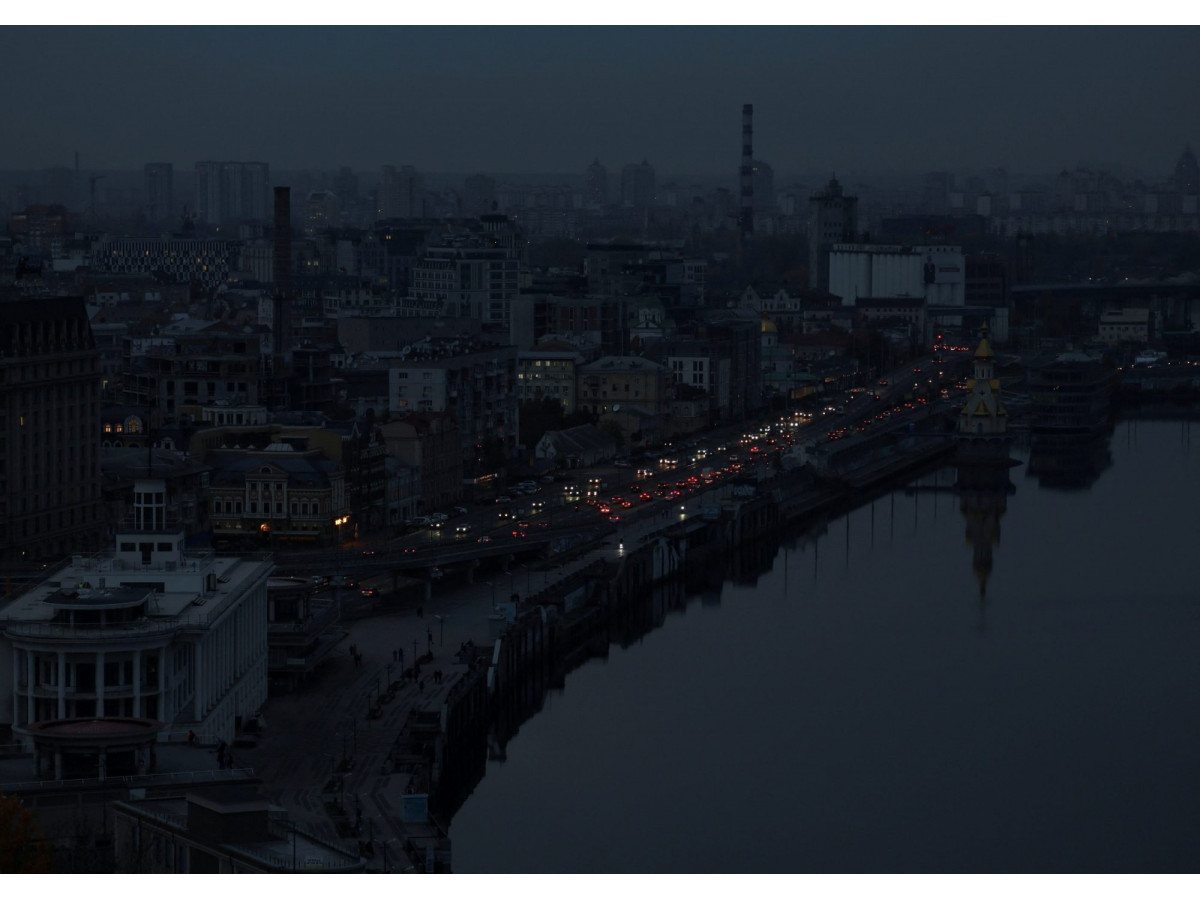
Blackout близько: як підготуватися та вижити в умовах війни без електрики
In today's climate of war and energy instability, any of us could face a blackout—a complete power outage lasting for an extended period of time. Rolling blackouts, accidents at power facilities, or military operations can leave your home without light, heat, and communication for hours or even days. That is why preparing for a blackout is not just a recommendation, but a necessity.
1. Planning and risk assessment
First and foremost, it is important to assess how often power outages occur in your area, how long they last, and how they affect your family. Prepare an action plan for each scenario:
- Short-term outage (1–3 hours): flashlights, candles, and charged gadgets will suffice.
- Medium-term outage (3–12 hours): stock up on water, autonomous power sources, ready-to-eat food, and heating equipment.
- Long-term blackout (more than 12 hours or days): generators, food supplies for several days, warm clothing, and an evacuation plan.
It is important that the plan includes family members, pets, and even neighbors—joint preparation increases the chances of survival.
2. Lighting and energy sources
Light is a basic need that affects safety and psychological comfort. Recommendations:
- Flashlights and headlamps: keep your hands free, which is important for moving around in the dark.
- Candles and candle holders: stock up on several dozen candles for a day or two. Place them in safe locations to avoid fire.
- Power banks and portable batteries: for charging phones, radios, and portable gadgets.
- Generators: even a small gasoline or diesel generator can charge devices and power household appliances.
- Solar panels: portable panels are suitable for charging phones and small devices.
3. Water and food
The lack of electricity makes it difficult to access water and prepare food:
- Drinking water supply: at least 2 liters per person per day. For a family of three, this is at least 6 liters per day.
- Foods with a long shelf life: canned goods, cereals, pasta, dry soups, cookies, and nuts.
- Cooking methods: gas stoves, camping stoves, or portable solid fuel stoves. Do not use open flames indoors.
4. Keeping warm
This is especially important during the cold season:
- Warm blankets, sleeping bags, and electric blankets.
- Layered clothing: several thin layers are better than one thick layer.
- Fuel supply for fireplaces and stoves: make sure you have enough firewood or pellets.
5. Communication and information
During a blackout, it is important to stay connected:
- Powerbank and spare batteries: for walkie-talkies and flashlights.
- Battery-powered radio: allows receiving official information even without the internet.
- Paper maps and important contacts: know routes and emergency service contacts.
6. Safety in the dark
- Install battery-powered lighting in corridors and stairways.
- Use signal lights or fluorescent stickers for orientation in the dark.
- Make sure locks and alarms do not depend on electricity.
7. Psychological comfort
- Board games, books, sketchbooks to keep children and adults engaged.
- Flashlights and candles for evening stories and shared activities.
- Family activities to maintain morale and reduce anxiety.
8. Preparing for pets
- Provide food and water for several days.
- Ensure pets have a warm place to sleep.
- Keep pets in a safe room, especially if the power outage causes stress.
9. Technical preparation
- Back up files to external storage or the cloud.
- Turn off computers and household appliances to avoid power surges.
- Check generators and batteries to ensure they are ready for use.
10. Joint preparation and mutual assistance
- Agree to share resources—water, food, generators—with neighbors.
- Stay in touch with neighbors to respond quickly to problems.
- Make a mutual assistance plan in case of prolonged blackout.
Blackouts during wartime are a reality that must be prepared for in advance. Preparation includes ensuring light, heat, food, water, and safety for the entire family. A clear plan of action, autonomous power sources, and psychological readiness can reduce discomfort and risks.
If you want to be fully prepared for a blackout, the professionals at the CESERVICE.UA service center will help you select autonomous power sources, generators, voltage stabilizers, and portable power supply systems. CESERVICE.UA offers quality advice, professional equipment selection, and installation so that even in difficult conditions, your home remains lit, warm, and safe.
Write a comment